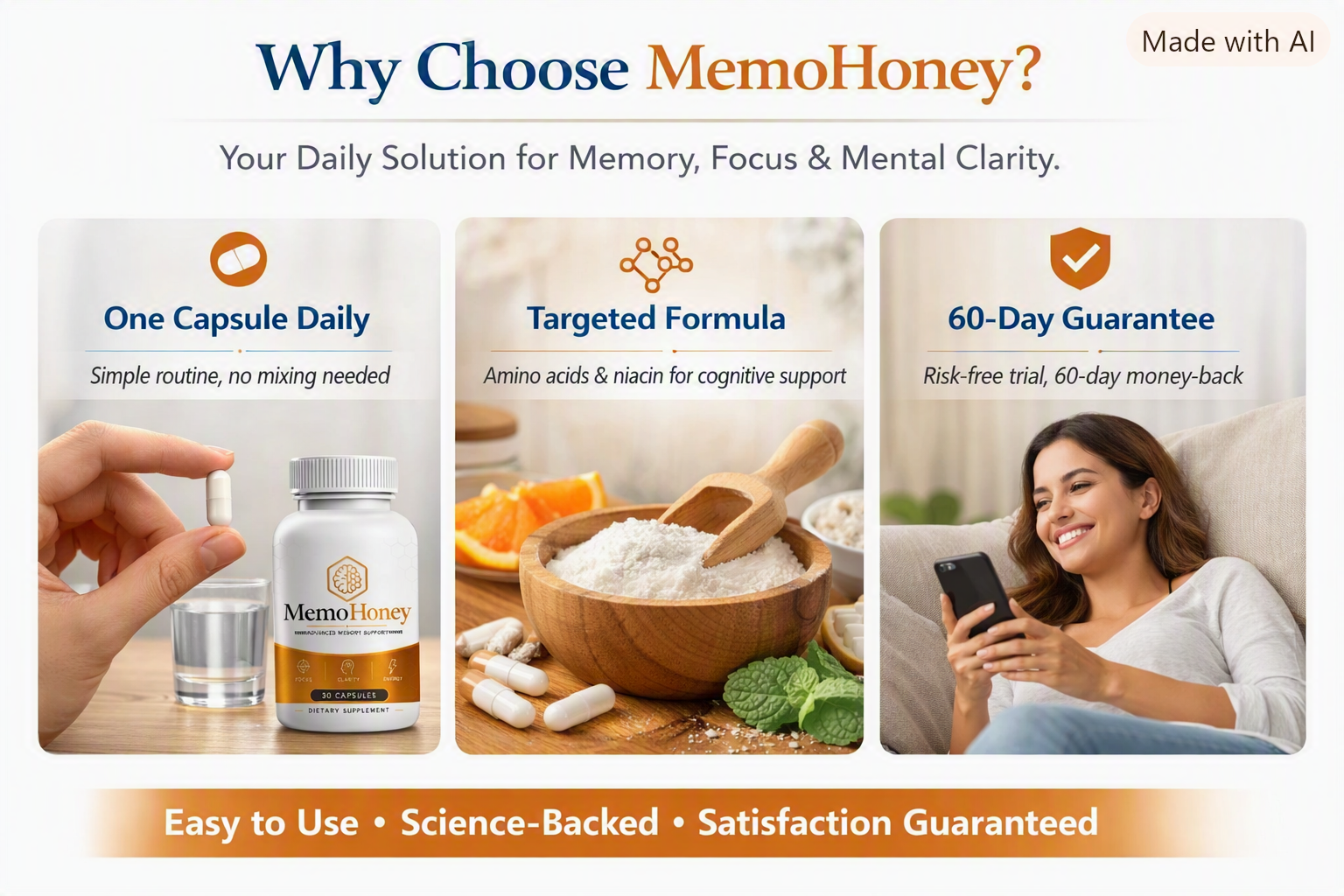
The memory supplement market is large, lightly policed at the point of sale, and full of products that are technically legal and thoroughly misleading. Here is how to evaluate one in about five minutes, using nothing but the label and the sales page.
Turn the bottle around first
Everything on the front of a supplement box is marketing. The supplement facts panel on the back is the only part that has to be accurate. Read it before you read anything else.
What you want to see is a list of ingredients with an individual amount beside each one. What you do not want to see is the phrase proprietary blend.
Why proprietary blends are the biggest red flag
A proprietary blend lets a manufacturer list ingredients in descending order by weight while disclosing only the combined total. So a blend might read: 850 mg containing eighteen impressive-sounding ingredients.
What that conceals is the distribution. It is entirely possible that 830 mg of the 850 is one cheap filler ingredient and the remaining seventeen split 20 mg between them. That practice is legal, common, and it makes the product impossible to evaluate or compare.
The stated justification is protecting a formula from copying. In practice, competitors can have a product reverse-engineered by a lab for a modest fee. The blend hides the doses from you, not from them.
Read the claims like a regulator would
United States law draws a hard line between two kinds of claim. A structure/function claim describes how an ingredient affects normal body structure or function — supports memory, helps maintain focus, supports healthy blood flow. Supplements may make these, provided they carry the FDA disclaimer.
A disease claim says a product treats, cures, prevents, mitigates or diagnoses a disease. Only an approved drug may make one. A supplement claiming to reverse memory loss, prevent Alzheimer's disease or treat dementia is making an illegal claim — and a company willing to break that rule in its advertising is telling you something about its standards elsewhere.
Watch for the words: cures, treats, reverses, restores, prevents, heals. Watch equally for the sideways version — a testimonial that makes the disease claim so the company does not have to, or a headline phrased as a question.
The marketing patterns worth recognising
Certain devices show up again and again in this category because they work on people who are worried:
- Fabricated endorsements. Named celebrities, invented doctors, AI-generated video of public figures. Real endorsements are contractual and easy to verify; if you cannot find it anywhere outside the sales page, it does not exist.
- Borrowed media logos. A row of news network logos usually means someone once ran a paid press release, not that the product was covered editorially.
- The origin story. A remote village, an ancient ritual, a suppressed discovery, a doctor who lost his licence for telling the truth. It is a narrative template, reused across dozens of products.
- Manufactured scarcity. A countdown that resets when you reload, or stock counters that never quite hit zero.
- Invented research. References to studies that either do not exist or examined a different compound at a different dose in a different population.
Check the dose against the research
An ingredient being present is not the same as being present in a useful amount. This is where most products in the category fail quietly.
If a manufacturer lists an ingredient at 40 mg when the research supporting it used two grams, that ingredient is on the label to be read, not to work. You do not need to be an expert — search the ingredient name with the word dose and see what range the studies used. A five-minute check filters out a lot.
Look at how they want to charge you
Check whether you are buying a product or entering a subscription. Auto-shipping arrangements presented as a free trial or a discounted first order are common, and the friction to cancel is often deliberate.
Before you enter a card, find the answers to: is this a single charge or recurring? If recurring, at what interval and what price? How do I cancel, and can I do it without a phone call? If those answers are hard to find, that is the answer.
Judge the guarantee by its length and its terms
A fourteen-day, unopened-only return window is not a guarantee — it is a formality. You cannot assess a daily supplement in fourteen days, and you certainly cannot assess it without opening the bottle.
A meaningful guarantee runs at least sixty days from delivery and covers opened product. Read who pays return shipping and whether the original shipping charge is refundable. Those details are reasonable to charge for; concealing them is not.
A five-minute checklist
- Every ingredient dose disclosed, no proprietary blend.
- Structure and function language only — no cure, treat, reverse or prevent.
- FDA disclaimer present and easy to find.
- Doses that bear some relationship to the research on those ingredients.
- One-time payment, or a subscription clearly disclosed with easy cancellation.
- A guarantee of sixty days or more, covering opened product.
- Manufacturing location and standards stated.
- Contactable support with a real email address.
One last point that no supplement brand will put on its own page: if your memory concerns are persistent or worsening, the right first purchase is a doctor's appointment, not a bottle. Several causes of cognitive change are treatable when identified early, and no supplement is a reason to delay that.
Frequently asked questions
It lets a manufacturer disclose only the combined weight of several ingredients rather than the amount of each. That makes it impossible to know whether an ingredient is present in a meaningful amount, and impossible to compare products.
Structure and function claims — describing how an ingredient supports normal body function — accompanied by the FDA disclaimer. Claims to treat, cure, prevent or reverse a disease are drug claims and are not permitted for supplements.
At least sixty days from delivery, covering opened product. Shorter windows, especially unopened-only ones, do not give you enough time to assess a daily supplement.
Related articles
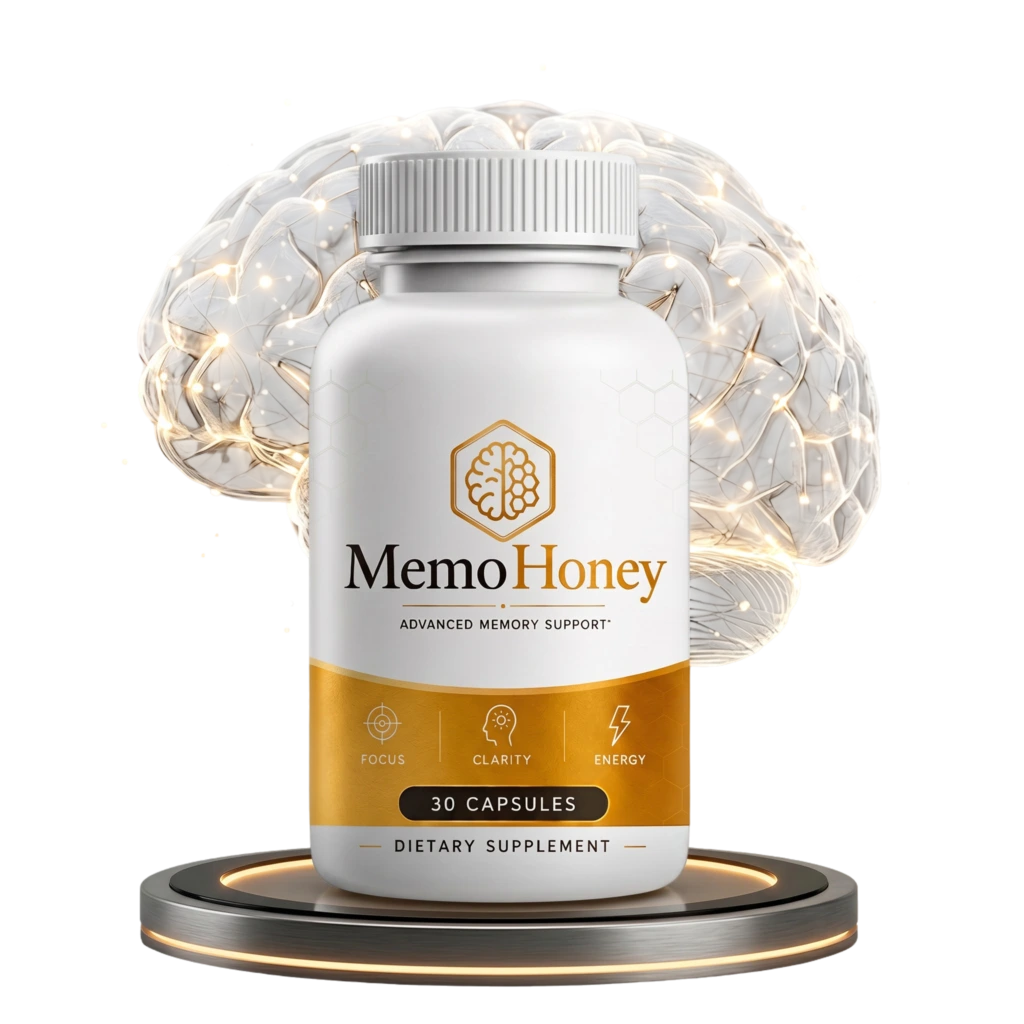
MemoHoney Review 2026: An Honest Look at the Formula
What the label contains, what the ingredients do, and who this daily capsule is not for.
Read article →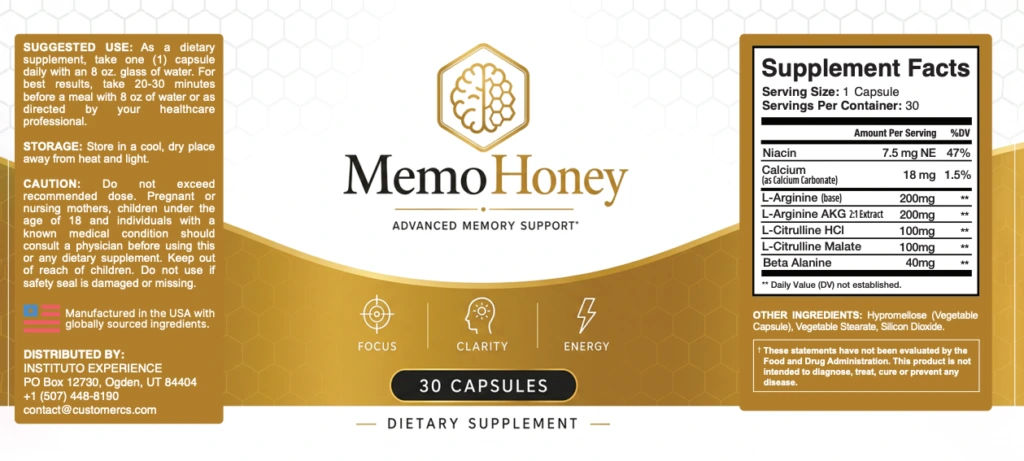
MemoHoney Ingredients Explained, One Line at a Time
A plain-English walk through all seven ingredients and the role each one plays.
Read article →
The Daily Memory Support Guide for Adults Over 40
Building a memory routine that survives a normal week.
Read article →