
Somewhere in your forties, most people notice a shift. A name takes an extra second. You walk into a room and have to retrace your steps. It is unsettling, and it is also extremely common — and it is not the same thing as a memory disorder.
What is normal, and what is not
Normal age-related change looks like this: retrieval takes longer, but the information is there. You get the name eventually, often once you stop trying. You lose your keys and then find them by reconstructing your route. Multitasking gets harder. Learning something entirely new takes more repetition than it did at twenty-five.
What is not typical: getting lost somewhere familiar, struggling with words in ordinary conversation, repeating the same question within a short span, difficulty managing tasks you have done for years, or changes other people notice before you do.
If you are in the second list, stop reading buying guides and book a doctor's appointment. Several causes of cognitive change are treatable — thyroid disorders, vitamin B12 deficiency, sleep apnoea, depression, and side effects of common medications among them. Identifying a treatable cause early matters. No supplement substitutes for that conversation.
The foundation nothing else can replace
Sleep. If you take one thing from this guide, take this. Memory consolidation — the process that moves an experience from fragile short-term storage into something durable — happens largely during sleep. Deep slow-wave sleep in the first half of the night appears to be particularly important for factual memory.
Sleep also runs the glymphatic system, the brain's clearance mechanism for metabolic waste, which is substantially more active during sleep than waking. Chronic short sleep is not a neutral trade. Seven to nine hours, on a consistent schedule, outperforms every capsule on the market.
Cardiovascular exercise. The evidence for aerobic exercise and cognitive function is about as strong as this field gets. The mechanisms are plausible and multiple: improved cerebral blood flow, increased BDNF, better vascular health, better sleep, better mood. The dose that appears in most guidance is around 150 minutes a week of moderate activity. A brisk daily walk qualifies.
Blood pressure and hearing. Two unglamorous items with surprisingly strong associations. Midlife hypertension is one of the more consistently identified modifiable risk factors for later cognitive decline. Untreated hearing loss is another — and unlike most items on this list, it has a straightforward fix.
Habits that make daily recall easier
Much of what feels like memory failure is actually attention failure. You did not forget where you put your glasses; you never encoded it, because you were thinking about something else while you set them down.
Practical fixes that work better than they sound:
- Give things a home. Keys, wallet, glasses, phone — one designated place each. This removes the need to remember entirely, which is more reliable than remembering better.
- Say it out loud. Narrating an action as you take it forces the attention that encoding requires.
- Write it down immediately. Externalising commitments frees working memory for the thing in front of you.
- Do one thing at a time. Task-switching degrades encoding. This is the single largest lever for most people.
- Use spacing. Reviewing something at increasing intervals produces far more durable retention than reviewing it repeatedly in one sitting.
Food, without the hype
There is no single brain food, and any article naming one is selling something. What the evidence supports is a broad dietary pattern: vegetables, particularly leafy greens; oily fish; berries; nuts; olive oil; whole grains; limited ultra-processed food and added sugar. The Mediterranean and MIND patterns both look like this, and both have reasonable observational support.
Hydration deserves a mention because the effect is immediate and often overlooked. Even mild dehydration measurably affects concentration and short-term memory. A lot of mid-afternoon fog is a glass of water.
Where supplements fit
Honestly: at the margins, after the foundations are in place.
A daily supplement cannot compensate for five hours of sleep, a sedentary week, or untreated high blood pressure. Anyone selling you one as if it can is not being straight with you. What a well-formulated supplement can offer is nutritional support for normal function alongside the rest of a routine.
If you do choose one, apply three tests. Does the label disclose every dose, or hide behind a proprietary blend? Does the marketing use structure and function language, or does it promise to reverse, restore or cure? Is the return window long enough to actually assess it — sixty days rather than fourteen, unopened?
A routine that survives a normal week
The best routine is the one you still follow in month three. Attach the supplement to breakfast, which you already eat. Put the walk at a fixed time. Pick a bedtime and defend it. Give your keys a home.
None of this is dramatic, and that is rather the point. The interventions with the best evidence behind memory and cognitive health are ordinary, cumulative and unexciting. They also work better than anything you can buy in a bottle.
Frequently asked questions
On its own, usually not — slower retrieval of names is among the most common normal age-related changes. Persistent disorientation, word-finding difficulty in ordinary conversation, or changes others notice before you do are different, and warrant a medical assessment.
Sleep. Memory consolidation happens largely during sleep, and no supplement, food or technique compensates for chronic short sleep. Regular aerobic exercise is a strong second.
They reliably make you better at the games. Whether that transfers to everyday memory is much weaker — most research suggests improvements stay close to the trained task. Learning a genuinely new skill is a better use of the same time.
Related articles
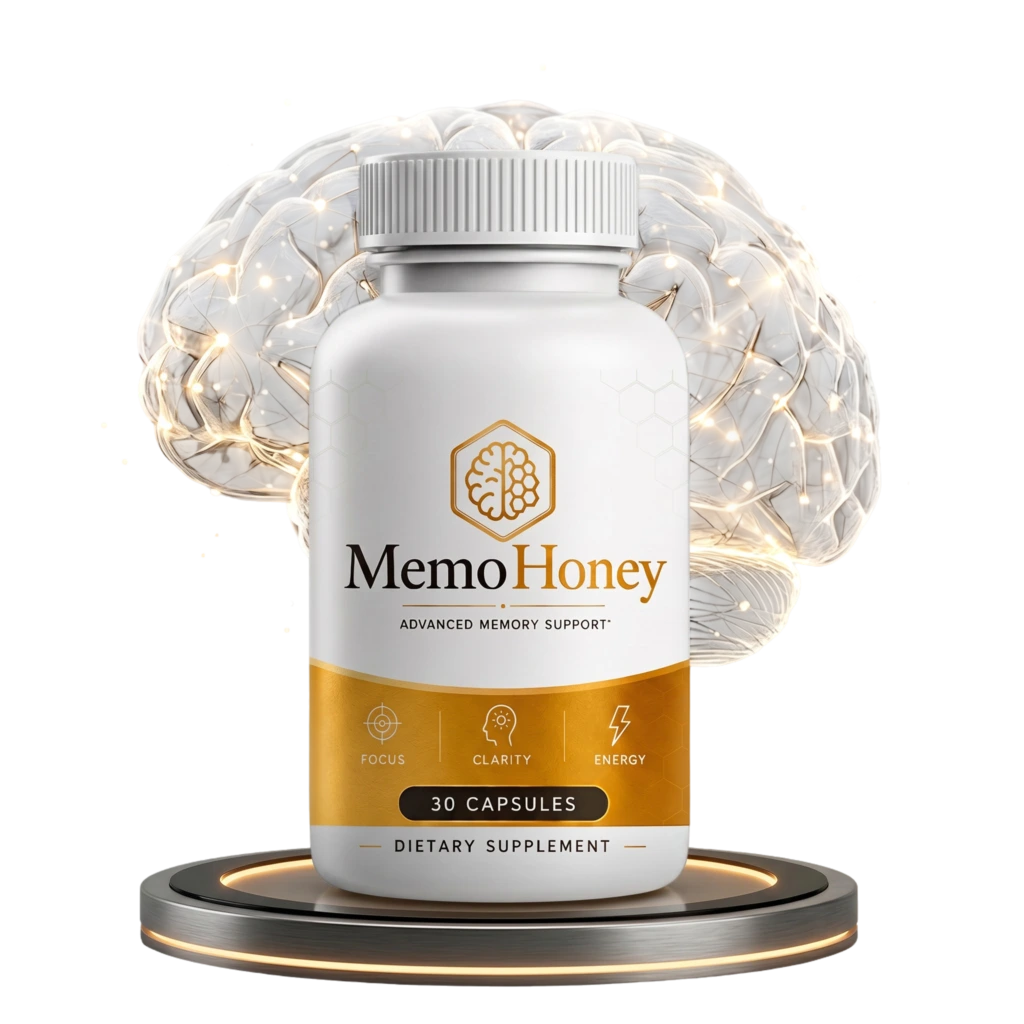
MemoHoney Review 2026: An Honest Look at the Formula
What the label contains, what the ingredients do, and who this daily capsule is not for.
Read article →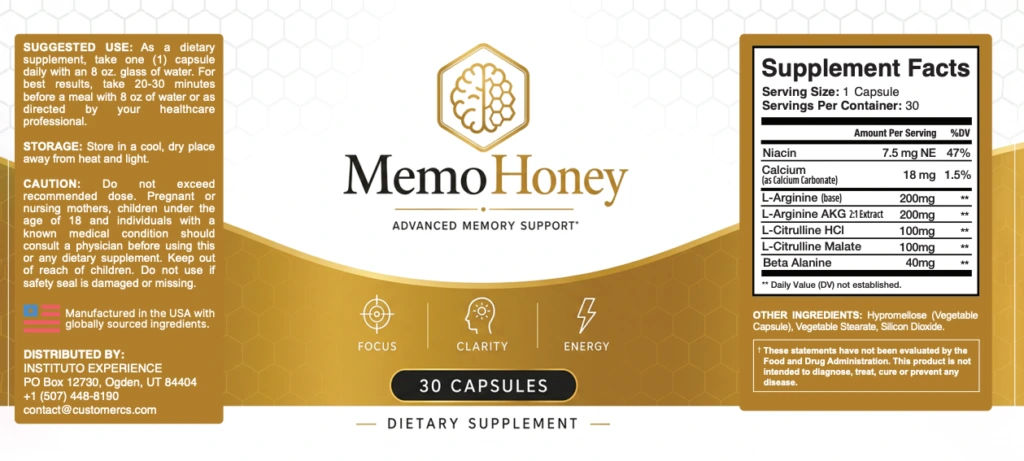
MemoHoney Ingredients Explained, One Line at a Time
A plain-English walk through all seven ingredients and the role each one plays.
Read article →
Nine Brain Health Habits That Are Worth the Effort
The habits with the strongest evidence, ranked by real-world impact.
Read article →